EN
EN  FR
FR  DE
DE  RU
RU  JA
JA  AR
AR  ES
ES When US tariffs on Chinese bathroom furniture jumped from 25% to 50%, the relocation of factories to Southeast Asia became a key topic of discussion among foreign trade officials. In the industrial zones of Vietnam and Indonesia, the presence of Chinese companies is increasingly noticeable, as if transferring production lines would easily circumvent this tariff barrier. But the reality is quite different: this migration is far from being as simple as it seems.
The “Time Lag Trap” Behind the Boom
Many believe that setting up factories in Vietnam and hiring local labor can maintain stable export orders to the US. In practice, this assumption often fails.
Supply Chain Fragmentation Risk
After decades of development, China has built a highly integrated bathroom furniture supply chain, covering:
- Wood panels
- Hardware components
- Coating and painting systems
- Packaging materials
A single bathroom vanity often requires coordination across more than ten suppliers.
In Vietnam, this industrial ecosystem is still underdeveloped. Many materials must still be imported from China, which increases:
- Logistics complexity
- Lead time instability
- Total landed cost (often +15% to +20%)
Labor Efficiency Gap
Although Vietnam offers lower wages, productivity differences are significant.
- Lower worker skill levels in precision manufacturing
- Limited overtime flexibility due to labor regulations
- Lower production efficiency per cycle
A process that takes 3 days in China may take 5 days in Vietnam, especially during peak seasons.
Rules of Origin Risk
US Customs strictly enforces origin rules. If Chinese semi-finished products are assembled or labeled in Vietnam, the product may still be classified as of Chinese origin.
This can result in:
- Loss of tariff benefits
- Customs penalties
- Shipment delays or audits
The Pitfalls Faced by Early Pioneers
One of our customers established a factory in Haiphong, Vietnam, with over ten years of export experience.
Despite investing heavily, he faced multiple challenges:
- Unexpected additional “coordination fees” in land agreements
- Inconsistent quality of local wood panel suppliers
- Frequent power outages require diesel generators
- Rising energy costs are reducing profitability
Another investor in Indonesia experienced sudden policy changes that reduced tax incentives, making the original business model unsustainable.
These cases highlight a key reality: Southeast Asia does not replicate China’s industrial stability.
China vs Vietnam: Manufacturing Reality Comparison
| Factor | China | Vietnam |
|---|---|---|
| Supply Chain Maturity | Highly integrated | Fragmented |
| Labor Efficiency | High | Medium–low |
| Material Availability | Complete domestic system | Import dependent |
| Production Stability | High | Variable |
| Policy Risk | Low | Medium–high |
Key takeaway: Lower labor costs do not equal lower total costs.
Which Companies Are Suitable for Global Relocation?
Relocation is typically suitable for:
- Large and medium-sized exporters (>100M RMB annual export scale)
- Companies with a strong US customer base
- Manufacturers with sufficient capital and risk tolerance
- Standardized OEM production businesses
However, it is risky for:
- Small and mid-sized factories with thin margins
- Businesses highly dependent on China’s supply chain
- Companies lacking overseas operational experience
Alternative Strategies to Relocation
Relocation is not the only solution to tariff pressure.
Product Structure Optimization
US tariffs mainly target wooden bathroom furniture. Alternative materials include:
- Stainless steel bathroom cabinets
- PVC bathroom furniture
- Stone-based or non-wood composite vanities
These categories often face lower tariff exposure.
Overseas Warehouse + Local Assembly
A growing strategy is:
- Export modular components
- Store in the US overseas warehouses
- Complete final assembly locally
Benefits include:
- Lower tariff burden
- Faster delivery cycles
- Improved customer responsiveness
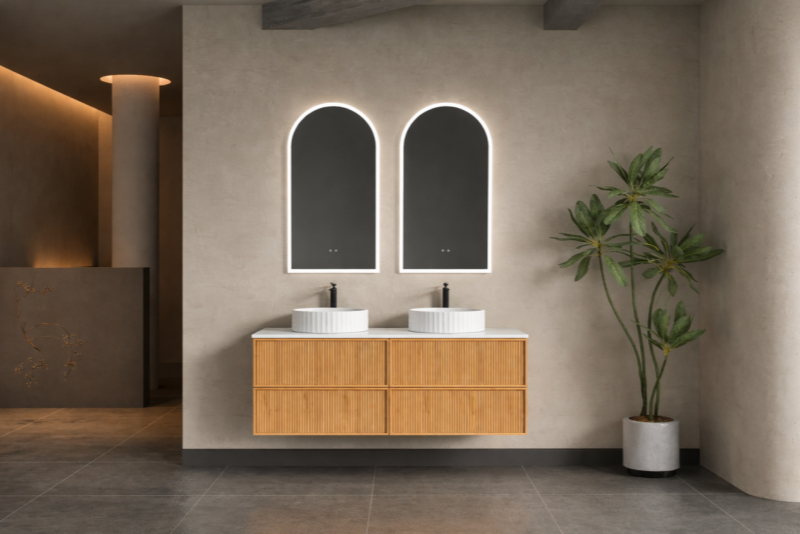
Strategic Price Adjustment
In some cases, price increases are unavoidable. If products offer:
- Strong design differentiation
- Stable quality
- Reliable supply capability
B2B buyers are often willing to absorb moderate price adjustments.
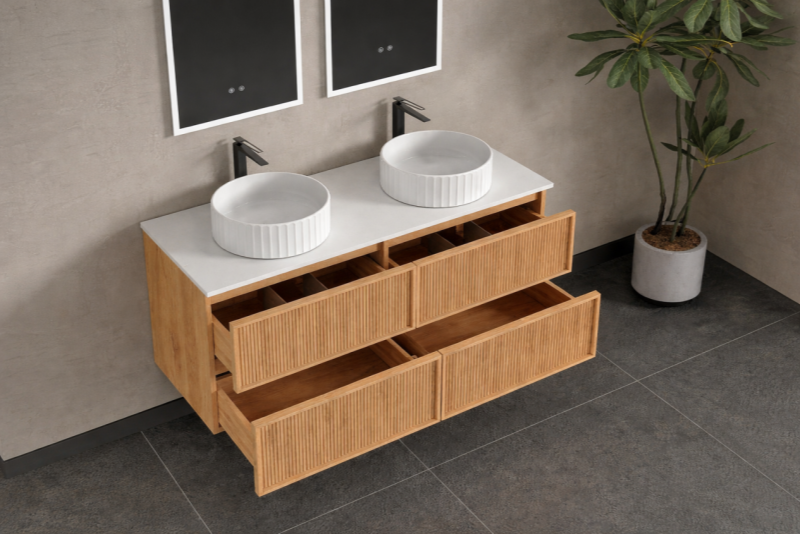
Shouya Bathroom Furniture OEM Solutions
As a professional bathroom furniture manufacturer, Shouya focuses on building a more resilient supply structure for global buyers under tariff pressure.
Our capabilities include:
- Stainless steel bathroom cabinet manufacturing
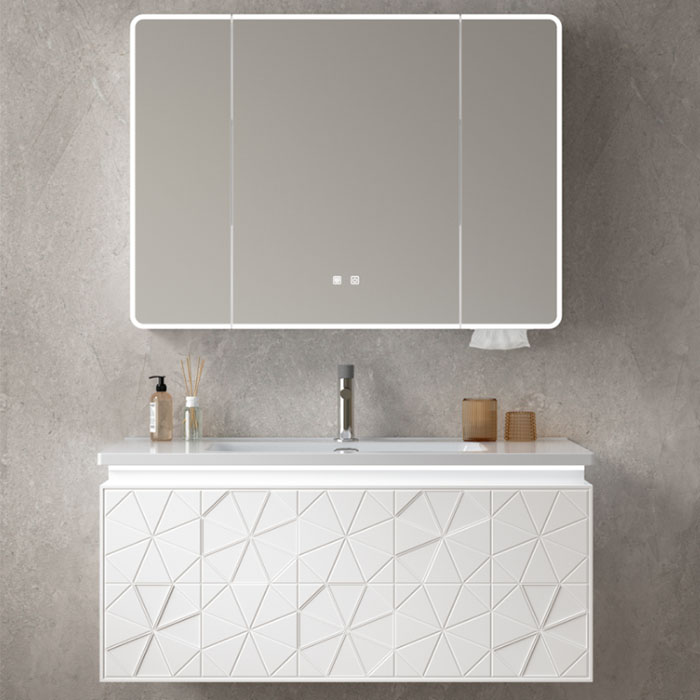
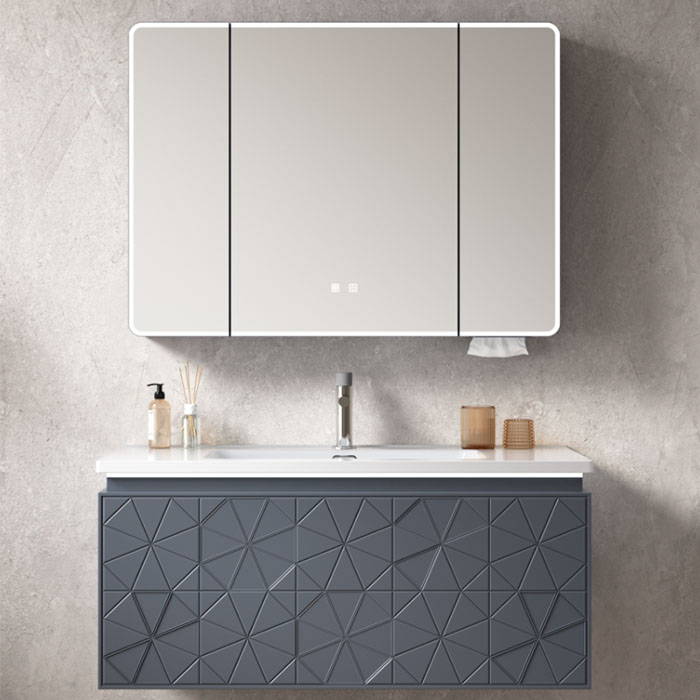
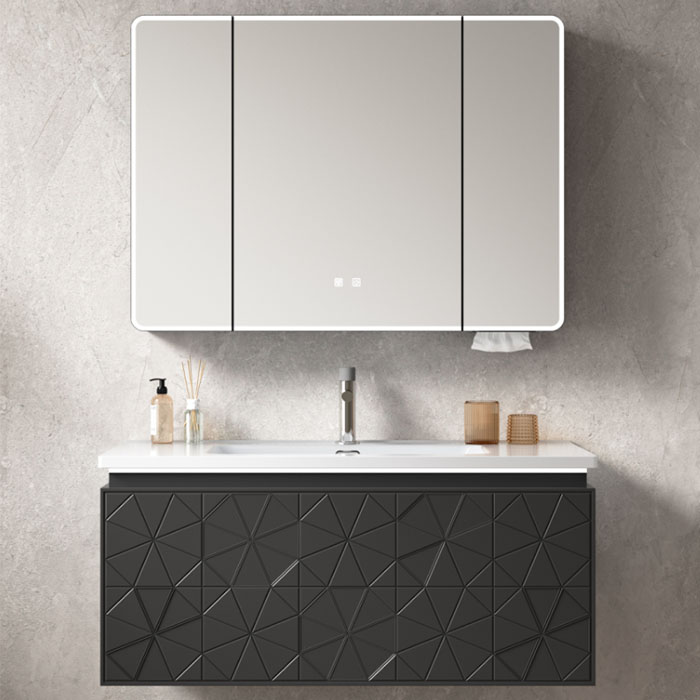
- Mirror cabinet OEM production
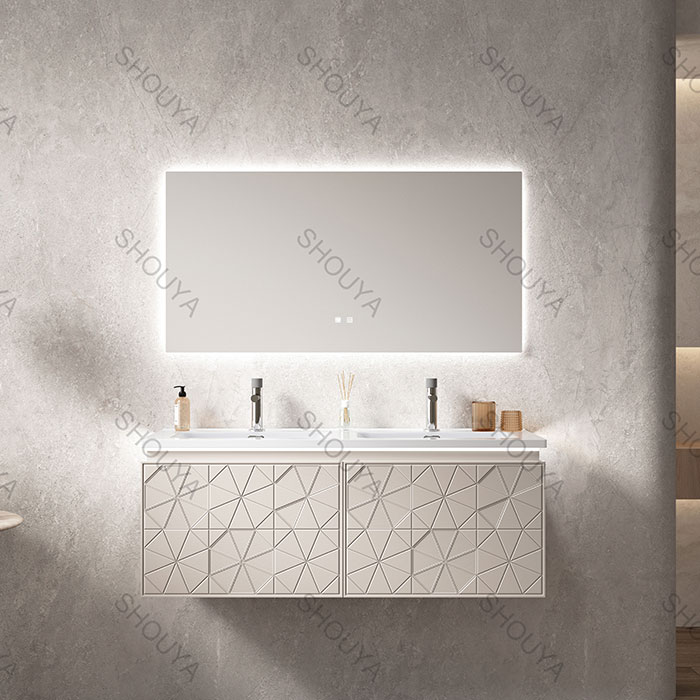
- Customized bathroom furniture solutions
- Export-ready compliance systems
- Flexible production for international markets
We help buyers reduce tariff risk without sacrificing supply chain stability.
Conclusion: Relocation Is Not a Simple Solution
The surge in manufacturing relocation to Southeast Asia reflects real pressure in global trade. However, relocation is not a simple cost-saving strategy.
It involves:
- Supply chain restructuring
- Compliance management
- Labor system adaptation
- Long-term operational risk
Without sufficient preparation, companies may simply replace one set of risks with another. If you are looking for a stable bathroom furniture supplier under current US tariff conditions, we provide OEM bathroom vanity cabinets, wholesale bathroom mirrors, and customized bathroom furniture solutions designed for global B2B buyers. Contact us to discuss your sourcing strategy and product requirements.