EN
EN  FR
FR  DE
DE  RU
RU  JA
JA  AR
AR  ES
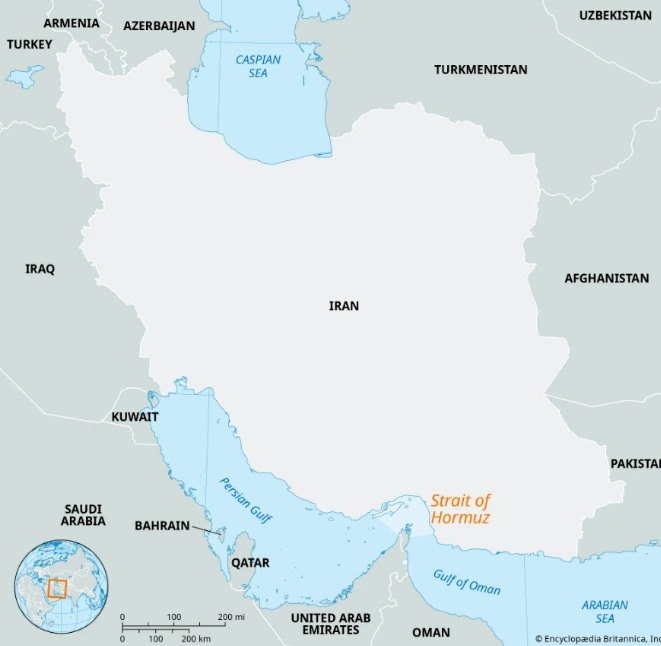
ES The latest news is extremely worrying, especially for those of us in the bathroom furniture industry who have been deeply involved in the Gulf market for years. We’re losing sleep over it. On February 28, 2026, Beijing time, tensions between the US and Iran escalated dramatically, and the dark clouds hanging over the Strait of Hormuz instantly cast a pall over the entire Middle Eastern trade sector.
For the past few days, my phone hasn’t stopped ringing. Customer inquiries are pouring in: “Can goods still be shipped as usual?” “Will the ports be closed?” Notices from shipping companies are also flooding in, suspending bookings on Middle Eastern routes or imposing hefty “conflict emergency surcharges.” Even our usual raw material suppliers have contacted us privately, hinting that prices for consumables like paint and resin could rise. Every message weighs heavily on the morale of small and medium-sized enterprises like ours.
Many colleagues have confided in me, voices filled with anxiety: “Is this company going to go bankrupt?” “Will our investments in inventory be in vain?” Having worked for over ten years in bathroom furniture exports, I don’t want to fuel anxiety or offer empty words. Today, I want to calmly discuss, based on our factory’s actual operational situation, how we can adapt our business model and find opportunities for survival during this crisis.
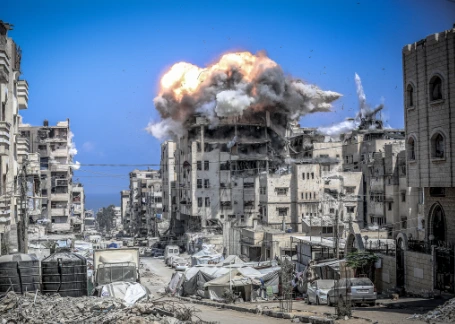
Immediate “growth difficulties”: Supply chain and export cost challenges
First, we must confront the challenges head-on. Zou Zhiqiang, a researcher at Fudan University’s Center for Middle Eastern Studies, highlighted that Iranian attacks against Gulf countries have reached an unprecedented scale, affecting regional security and global shipping. Our export companies are among the first to suffer the consequences.
For bathroom furniture exports, the most direct and devastating impact is the paralysis of logistics platforms, even more concerning than rising commodity prices.
Those familiar with the Middle Eastern market know that the Jebel Ali port in Dubai is a crucial gateway for our shipments to the region. As the largest man-made port in the Middle East, it handles over 70% of the transshipment of goods in the Gulf. Most of the bathroom furniture our factories ship to Saudi Arabia, the UAE, and Qatar is cleared through customs and transshipped at this port. However, the port of Jebel Ali has officially announced the suspension of its operations, and mountains of goods are piling up. A batch of custom-made bathroom vanities we previously shipped is still stuck in the port’s warehouse, and last-mile delivery is completely paralyzed. Our customers are constantly urging us to reorder, but all we can do is explain the situation and actively search for reliable solutions. Fortunately, we have finally managed to resolve the issue.
But what is even more frustrating is the behavior of the shipping giants. MSC, Maersk, and other major international shipping companies have completely suspended bookings on Middle Eastern routes. Even when a few companies are accepting orders, they are applying exorbitant “emergency surcharges.” We’ve calculated that the surcharge for a 20-foot container can reach $1,000, equivalent to the net profit on a batch of our standard bathroom furniture. More importantly, even if we’re willing to pay the surcharge, there’s no guarantee the goods will arrive on time. Unstable shipping routes and extremely slow port customs procedures mean a 25-day voyage will now be delayed by at least 15 to 20 days, and it’s even possible the goods could be stuck in port for months.
Beyond logistics, the domino effect of increased costs is also starting to be felt. The price of crude oil, the industry’s main driver, has skyrocketed as the situation worsens. Industry analysts predict that the price of oil will likely reach $100 a barrel, or even exceed $120. This only exacerbates the difficulties in our bathroom furniture production: almost all of our consumables, from the paint and resin used for the furniture structure to the expanding foam filler, as well as the packaging plastics and tapes, are directly linked to the price of oil. For example, some of our long-standing suppliers of sealing materials have already announced price increases of up to 15 to 20 percent. Our usual suppliers of eco-friendly paint have also informed us of a price increase of around 10 percent starting next month. Given our factory’s monthly production capacity, the cost of paint and resin will increase every month, putting considerable pressure on SMEs with already slim profit margins.
Even more challenging, we cannot pass these cost increases on to our customers in full. In the Middle East, purchasing budgets are generally fixed, and competition is fierce. If the price increase is too significant, our customers may turn to other suppliers. After all, we’re not the only ones in the world who manufacture bathroom furniture.
Opportunities amidst the crisis: Post-war reconstruction and Saudi Vision 2030
But I am convinced that every crisis holds an opportunity. With many years of experience in international trade, I have witnessed countless similar situations: when the pandemic hit in 2020, many of our competitors panicked and withdrew, while we persevered in developing the Middle Eastern market and secured even more orders; during the brief disruptions to the Red Sea shipping route in 2022, we adapted our logistics plans in time, thus protecting our key customers. This time will be no exception. If you focus solely on the immediate difficulties, you will be consumed by anxiety, but if you manage to remain calm, you will discover that beneath the surface of the conflicts lies an extremely promising market for our bathroom furniture sector. As the saying goes, after destruction often comes a period of prosperity and reconstruction, and the building materials industry is one of the main beneficiaries of this demand for rebuilding.
Essential post-war reconstruction
From an industrial perspective, war inevitably generates a sharp increase in demand for construction materials—an irreversible trend. In this conflict, some homes and public infrastructure in Iran have suffered varying degrees of damage, while neighboring countries like Yemen and Syria, already engaged in post-war reconstruction, could see this process accelerated by the escalation. Some might argue that in wartime, security is the top priority, and therefore, who cares about bathroom fixtures? However, while home renovations can be postponed, the construction and maintenance of public infrastructure, such as hotels, hospitals, and office buildings, cannot be interrupted: the sanitary facilities in these places are essential and must be replaced quickly if damaged.
Take Dubai, for example. A true hub of tourism in the Middle East, the city welcomed 18.72 million tourists in 2024, demonstrating the dynamism of its hotel sector. Despite the current instability, Dubai’s hotels continue to operate normally, thus maintaining demand for high-end bathroom products. Furthermore, many hotels are taking advantage of this slow period to undertake renovations and enhance their competitiveness, creating new order opportunities for bathroom furniture manufacturers. Our factory recently received an order from a Dubai hotel to replace the bathroom furniture in hundreds of rooms. Despite logistical delays, the client was willing to wait, given the lack of a more suitable supplier: a real opportunity in times of crisis.
Saudi Arabia’s Vision 2030 as a stabilizing force
Even more remarkably, despite the ongoing conflict, Saudi Arabia’s “Vision 2030” program has not been hampered by escalating tensions. Middle Eastern market specialists know that “Vision 2030” is Saudi Arabia’s flagship development plan, aimed at reducing its dependence on oil and diversifying its economy. Infrastructure development is a key component of this vision.
According to official data, “Vision 2030” will generate infrastructure demand of over $1.1 trillion, including the construction of 555,000 homes and 275,000 hotel rooms. What does this mean? It means that in the coming years, demand for bathroom furniture, sanitary ware, and similar products in the Middle Eastern market will continue to grow. According to data from an independent market research firm, the bathroom furniture market in the United Arab Emirates is projected to reach $8.4 billion by 2033, with a compound annual growth rate (CAGR) of 6.8%. The Saudi Arabian bathroom furniture market is projected to reach $2.9 billion by 2033, with a CAGR of 7.2%. These figures are reliable; they are calculated based on the “Vision 2030” infrastructure plan and market demand, thus reflecting actual supply needs.
I have always told my colleagues that the Middle East’s aspirations to build new homes, new cities, and international metropolises will not be extinguished by a single missile. War may temporarily slow consumption and delay deliveries, but it cannot eliminate demand: it will only be postponed, not eliminated. What we need to do now is stay the course, prepare ourselves and seize these opportunities as soon as the situation stabilizes.
4 Practical approaches for bathroom sanitary professionals
Faced with this critical situation, a confrontation is clearly impossible, and a blind retreat would be even more imprudent. We must learn to adapt, like desert plants, developing deep roots capable of finding water in hostile environments and seizing opportunities for survival in times of crisis. Drawing on the experience gained within our factory and many years of expertise in foreign trade in the Middle East, I have synthesized four practical points for reflection that I wish to share with my colleagues, hoping to contribute to stabilizing their situation and overcoming these difficulties.
Manage customer expectations effectively
Honesty outweighs promises. Many in our sector choose to remain silent in the face of logistical delays and late deliveries, afraid to contact their clients for fear of being held responsible or receiving complaints. However, I want to emphasize that this is the worst possible solution: Middle Eastern clients, accustomed to political instability, understand the current situation better than we do. Their fear is not of delays, but of being misled and ignored.
If your goods are held up at the port or if delivery is delayed, please contact your clients immediately and explain the situation transparently: “Due to a force majeure event related to the Strait of Hormuz, the delivery of your goods will be delayed by X days. We are already in contact with other ports regarding customs clearance and will keep you informed of developments as soon as possible.” Also offer a realistic solution, such as adjusting delivery times, staggered deliveries, or compensation (for example, a discount on shipping costs for your next order). For instance, a shipment from our factory to Saudi Arabia was delayed by 18 days due to port closures. We immediately contacted the customer, explained the situation, and offered a $500 discount on shipping for their next order. Not only did the customer not complain, but they also trusted us more and placed a larger order. Remember that in these kinds of situations, honesty is far more effective than any promise, and trust is essential in international trade.
Adjust pricing strategies to protect profits
Given the current volatility of oil prices and the continued rise in raw material costs, we can no longer offer fixed prices for a specific period as before, since we would be exposed to losses should raw material prices increase. Based on our experience, we propose two pricing strategies: first, include a markup clause for the price of crude oil in the contract, clearly stipulating that if the international price of crude oil exceeds a certain threshold (for example, $90 per barrel), we will adjust the product price accordingly. The percentage adjustment must be agreed upon in advance with the client to avoid any subsequent disputes. Second, reduce the validity period of our quotes. Previously valid for 30 days, it is now 7 to 15 days, and it is clearly stated on the quote: “This quote is valid for 7 days. Due to significant fluctuations in raw material and transportation prices, quotes exceeding this period will be recalculated.” “At the same time, we are proactively informing our customers about the current cost situation and suggesting they place their orders as soon as possible to benefit from the current price, as raw material and transportation costs are expected to continue rising next month. This demonstrates our professionalism, encourages customers to place orders quickly, and protects our profits.”
Focus on localized and transit transfers
This escalation has taught us all a lesson: don’t put all your eggs in one basket. The closure of the Jebel Ali port has made us realize the risk of over-reliance on a single port or shipping route. Therefore, we must now proactively adapt our logistics routes, prioritizing transit hubs and local production.
On the one hand, we can consider changing our transit port, for example, to the port of Dammam in Saudi Arabia and the port of Doha in Qatar. These ports have not been affected by the conflict so far, and their customs clearance efficiency is relatively high. It is worth mentioning that Oriental Yuhong has already built a factory near the port of Dammam, which is a testament to its security and convenience. We have recently collaborated with customs agents at the port of Dammam to transit some of our goods through it, and the results so far have been very encouraging. On the other hand, we need to focus on companies that have already established local production capabilities in the Middle East. They can often leverage the advantages of local production to circumvent logistical barriers to importing finished products and respond quickly to market demands. We also plan to establish an assembly plant in Saudi Arabia or the United Arab Emirates within the next two to three years, shipping components such as cabinets and worktops to local assembly sites. This will not only mitigate logistical risks but also reduce customs duty costs and improve competitiveness.
Seize the window of opportunity
While competitors retreat, strengthen your market presence via social media and industry platforms. Seize the “window of opportunity” to buy at the lowest price, position yourself strategically in the market reconstruction and gain a competitive advantage. In times of crisis, some competitors suspend their operations in the Middle East out of panic, while others seek more stable and reliable suppliers: this is our “window of opportunity.” While others withdraw, we must strengthen our presence on social media and industry platforms to inform Middle Eastern buyers that, regardless of the situation, our Chinese bathroom furniture factory continues production, accepts orders, and prepares for the future of the Middle Eastern market.
Recently, we have intensified our promotional efforts on local Middle Eastern industry platforms, publishing production videos and product case studies. We are also proactively contacting our existing customers to understand their needs, reaffirm our interest, and offer tailored solutions. Furthermore, we are gathering information on post-war reconstruction in the Middle East, focusing on hotel and housing reconstruction projects, making early contact with potential buyers, and positioning ourselves within the reconstruction market. Once the situation stabilizes, these proactive efforts will translate into orders and increased competitiveness.
Conclusion
Warplanes are still roaring over the Middle East, the clouds over the Strait of Hormuz haven’t cleared, and the commercial pressure is already weighing heavily on each of us in the bathroom furniture export sector. To be honest, I, too, have been feeling anxious and confused lately. Faced with the accumulation of goods in the warehouse, constantly rising costs, and urgent customer orders, I even considered temporarily abandoning the Middle Eastern market. But every time I saw the workers busy in the workshop and received encouraging messages from our loyal customers, I told myself: I can’t back down, I can’t panic.
Regarding this conflict, we are all praying for peace to return soon, because peace is the foundation of all business; to succeed, you have to prepare for the worst in order to aim for the best outcome. Whether it’s individuals facing ever-increasing material budgets or us in the industry, grappling with stagnant orders and soaring shipping costs, no one can remain unaffected by this global crisis.
Let’s not forget that the bathroom is the most intimate and soothing space in the home, embodying the aspiration for a better life. Regardless of the world’s turmoil or the complexity of the situation, the desire for a comfortable, practical, and aesthetically pleasing bathroom remains unchanged. As bathroom furniture manufacturers, our priority is to stay focused on our objectives, produce high-quality products, provide impeccable service to our loyal customers, control our costs, adapt our business strategy, seize the opportunities presented by the crisis, and stay the course despite the challenges.
Finally, we pray for peace to return soon to the Middle East and wish all our customers and partners strength during this difficult time, ensuring the continuity of our deliveries and seizing any opportunities that arise. War is merciless, but humanity is compassionate; Shouya will do everything possible to help those in distress. Interactive topics.
Where is your shipment in the Middle East currently located? Is it stuck at the port awaiting customs clearance, or has it already been received? Given the current situation, what strategies are you using to address it? Feel free to contact us to discuss. Let’s support each other, share our resources, and get through this challenging time together.