DE
DE  EN
EN  FR
FR  RU
RU  JA
JA  AR
AR  ES
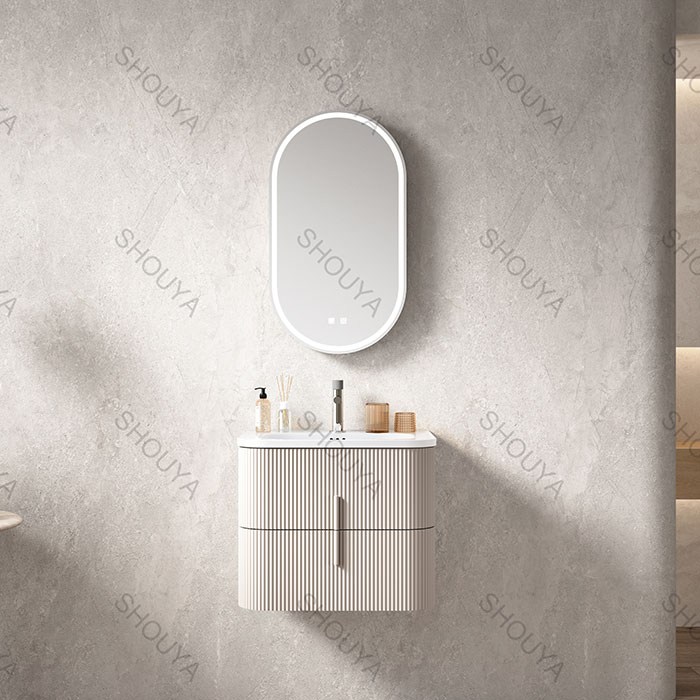
ES LED-Badezimmer-Spiegel sind funktionale Produkte, die Beleuchtung, elektrische Komponenten und strukturelle Unterstützung kombinieren. Aus diesem Grund ist die Installation eines LED-Badezimmerspiegels nicht dasselbe wie das Aufhängen eines Standardspiegels. Die korrekte Installation ist entscheidend, um Sicherheit, Lichtleistung und langfristige Zuverlässigkeit zu gewährleisten, insbesondere bei projektbezogenen Anwendungen. Shouya, ein führender Hersteller von Sanitärproduktenerklärt, wie man einen LED-Badezimmerspiegel aufhängt, was vor der Installation zu beachten ist und warum Projektkunden oft von herstellerunterstützten Lösungen profitieren.
Warum ist das Aufhängen eines LED-Badezimmerspiegels anders als das eines normalen Spiegels?
Ein traditioneller Badezimmerspiegel ist in der Regel ein einfaches Glasprodukt, das an der Wand befestigt wird. Ein LED-Badezimmer-Lichtspiegel, umfasst jedoch:
- Integrierte LED-Beleuchtung
- Elektrische Verkabelung und Stromanschlüsse
- Eine verstärkte Rückwand oder ein Befestigungssystem
- Zusätzliches Gewicht im Vergleich zu Standardspiegeln
Eine unsachgemäße Installation kann zu allgemeinen Problemen wie instabiler Befestigung, Beleuchtungsausfall, Feuchtigkeitsschäden oder elektrischen Sicherheitsrisiken führen. Unserer Erfahrung nach handelt es sich bei vielen dieser Probleme nicht um Produktfehler, sondern um installationsbedingte Probleme.
Aus diesem Grund erfordern LED-Badezimmerspiegel eine sorgfältige und strukturierte Installation.
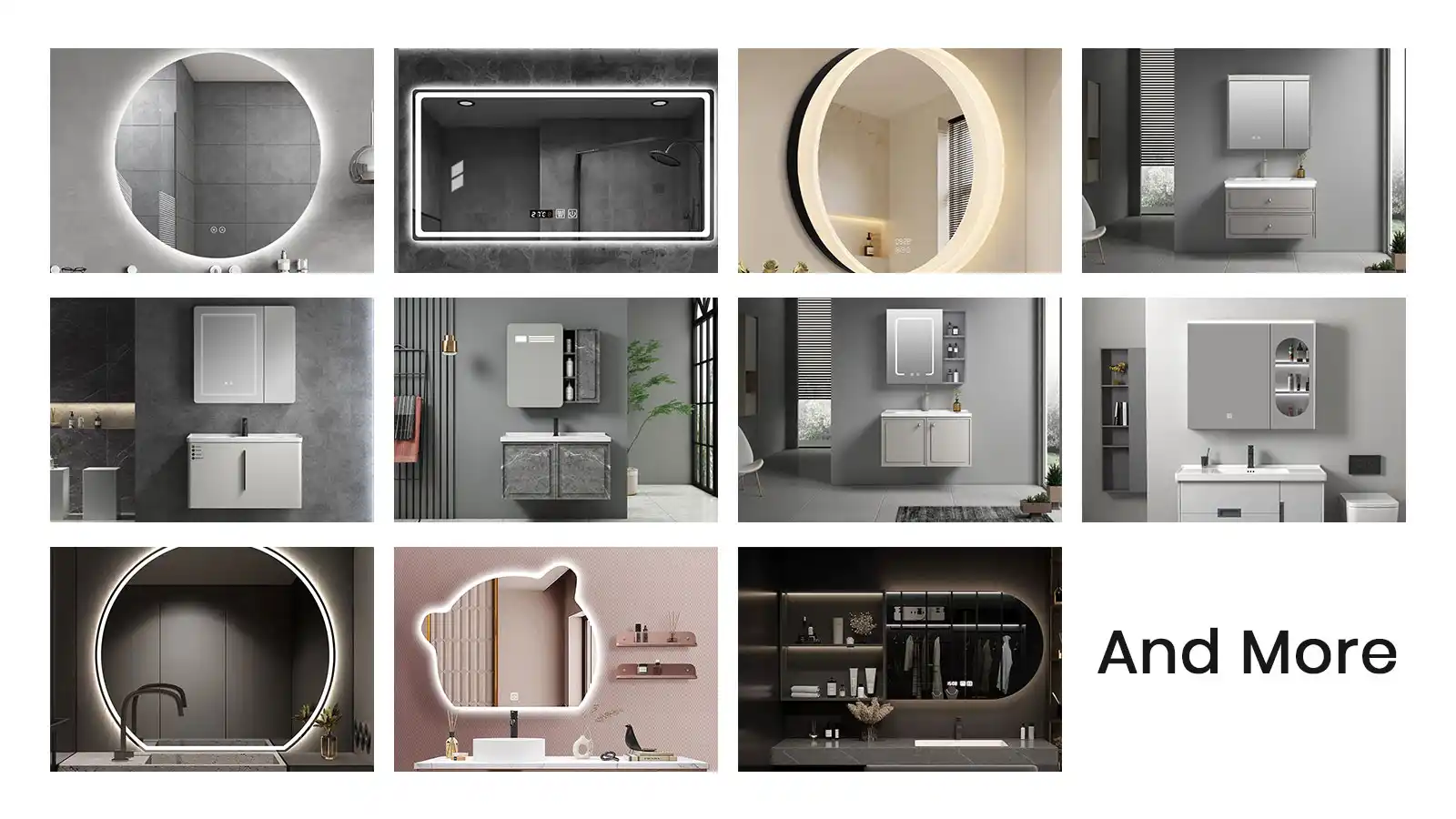
Wichtige Prüfungen vor der Anbringung eines LED-Badezimmerspiegels
Wandaufbau und Tragfähigkeit
Vor der Installation ist es wichtig, den Wandtyp zu bestimmen:
- Massive Beton- oder Ziegelwände unterstützen in der Regel die direkte Montage
- Leichtbau- oder Trockenbauwände können eine Verstärkung erfordern
Ein häufiger Fehler ist die Verwendung von Standard-Steckern für schwerere LED-Spiegel. Dies kann dazu führen, dass sich der Spiegel mit der Zeit lockert, insbesondere in feuchten Umgebungen.
Stromversorgung und elektrische Sicherheit
LED-Badezimmer-Spiegel benötigen eine stabile und sichere Stromquelle. Bestätigen Sie vor der Installation:
- Die Position der Steckdose entspricht dem Anschlusspunkt des Spiegels
- Unterputz- oder Aufputzverdrahtung ist richtig geplant
- Elektrische Anschlüsse sind für Badezimmer geeignet
Aus Sicht des Herstellers sind der Schutz vor Feuchtigkeit und die korrekte Verkabelung entscheidend für die langfristige Leistung.
Gewicht des Spiegels und Struktur der Rückwand
LED-Badezimmer-Spiegel sind aufgrund der Beleuchtungskomponenten und der Rückseitenmaterialien schwerer als Standardspiegel. Das Design der Rückwand spielt eine wichtige Rolle für die Stabilität. Projektinstallationen scheitern oft, wenn das Gewicht des Spiegels unterschätzt wird oder die Befestigungselemente nicht auf die Struktur des Spiegels abgestimmt sind.
Häufige Fehler bei der Installation von Projekten
Ausgehend von den Rückmeldungen zu den Projekten sind typische Installationsprobleme folgende:
- Verwendung falscher Befestigungselemente
- Nichtbeachtung der Installationsanweisungen des Herstellers
- Schlechte Wasserdichtigkeit der Stromanschlüsse
- Nichtübereinstimmung zwischen Spiegelgröße und Anordnung des Waschbeckens
Die meisten dieser Probleme lassen sich mit der richtigen Vorbereitung vermeiden.
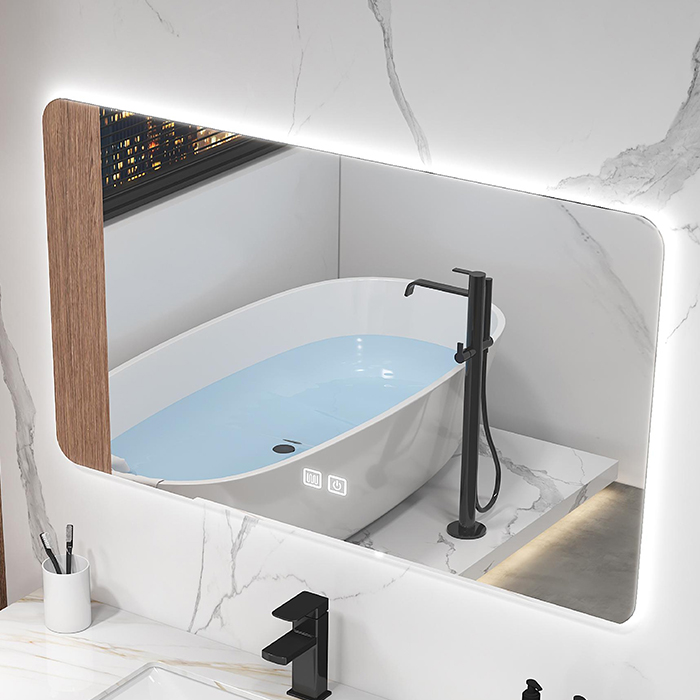

Empfohlene Aufhängemethoden und Standardschritte für den Spiegel
Übliche Installationsmethoden
Installation der Hängebeschläge
Dies ist die häufigste Methode für Projektanwendungen. Vorinstallierte Halterungen ermöglichen eine schnelle, präzise Installation und einen einfachen Austausch, falls erforderlich.
Schraubbefestigte Installation
Geeignet für große oder schwere LED-Spiegel wo zusätzliche Stabilität erforderlich ist. Diese Methode erfordert eine höhere Montagegenauigkeit.
Integrierter Waschtisch oder Spiegelschrank Einbau
Wird verwendet, wenn LED-Spiegel als Teil einer kompletten Badezimmer-Waschtischlösung geliefert werden. Dieser Ansatz bietet die beste visuelle Konsistenz und Installationseffizienz für Projekte.
Standard-Installationsschritte (Herstelleransicht)
- Markieren Sie die Einbauhöhe und stellen Sie die horizontale Ausrichtung sicher
- Befestigen Sie die Bügel oder Halterungen entsprechend dem Gewicht des Spiegels.
- Schließen Sie die Stromversorgung an und bringen Sie einen Feuchtigkeitsschutz an.
- Montieren Sie den Spiegel sorgfältig, um Oberflächenschäden zu vermeiden.
- Testen Sie Beleuchtung, Schalter und Stabilität vor der endgültigen Übergabe
Bei großen Projekten ist die Konsistenz aller Einheiten ebenso wichtig wie die korrekte Installation.
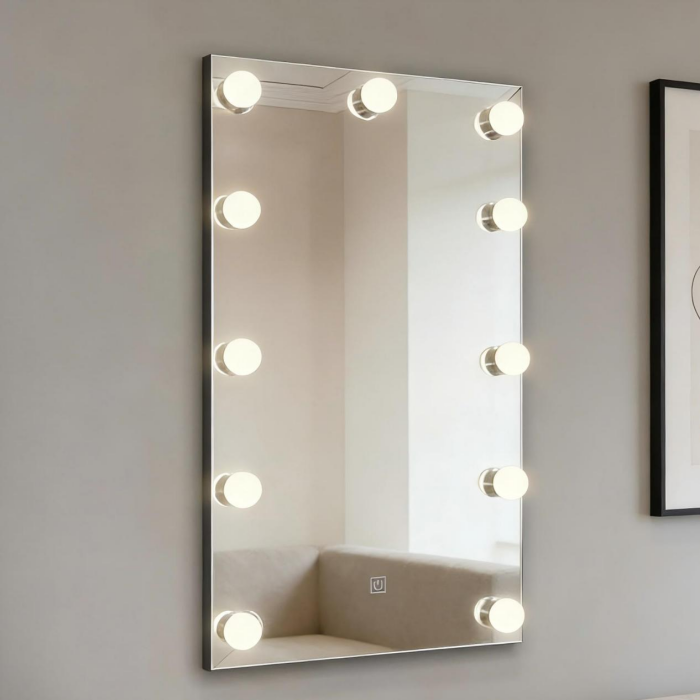
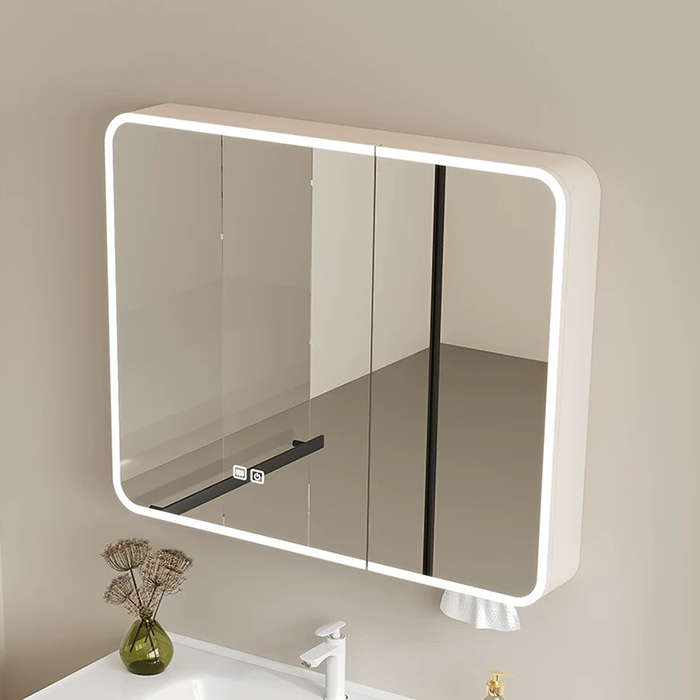
Welche Methode zum Aufhängen von Badezimmerspiegeln ist am besten für Projekte geeignet?
Aus fertigungstechnischer Sicht werden im Allgemeinen Hängebügelsysteme und integrierte Waschtischlösungen bevorzugt:
- Schnellere Masseninstallation
- Leichtere Wartung
- Bessere langfristige Stabilität
Kontrollen nach der Installation und Empfehlungen für die langfristige Nutzung
Checkliste nach der Installation
- Vergewissern Sie sich, dass der Spiegel fest und waagerecht angebracht ist.
- LED-Beleuchtung und Kontrollfunktionen testen
- Elektrische Anschlüsse auf Sicherheit prüfen
Wartungshinweise des Herstellers
- Regelmäßige Überprüfung der Befestigungspunkte
- Reinigen Sie die Spiegeloberfläche mit nicht scheuernden Materialien
- Vermeiden Sie Änderungen an elektrischen Komponenten
- Befolgen Sie die empfohlenen Nutzungsrichtlinien, um die Lebensdauer zu verlängern.
Eine korrekte Installation in Verbindung mit einer grundlegenden Wartung trägt dazu bei, dass die Leistung über lange Zeit stabil bleibt.
Warum profitieren Projektkunden von herstellerindividuellen LED-Badezimmerspiegeln?
Bei Hotel- und Apartmentprojekten stellen Standardspiegel von der Stange oft eine Herausforderung für die Installation dar. Die direkte Zusammenarbeit mit einem Hersteller von Badspiegeln erlaubt:
- Benutzerdefinierte Stromanschlusspositionen
- Maßgeschneiderte Spiegelgrößen zur Anpassung an das Layout von Waschtischen
- Optimierte Rückwand und Befestigungssysteme
- Geringere Komplexität der Installation vor Ort
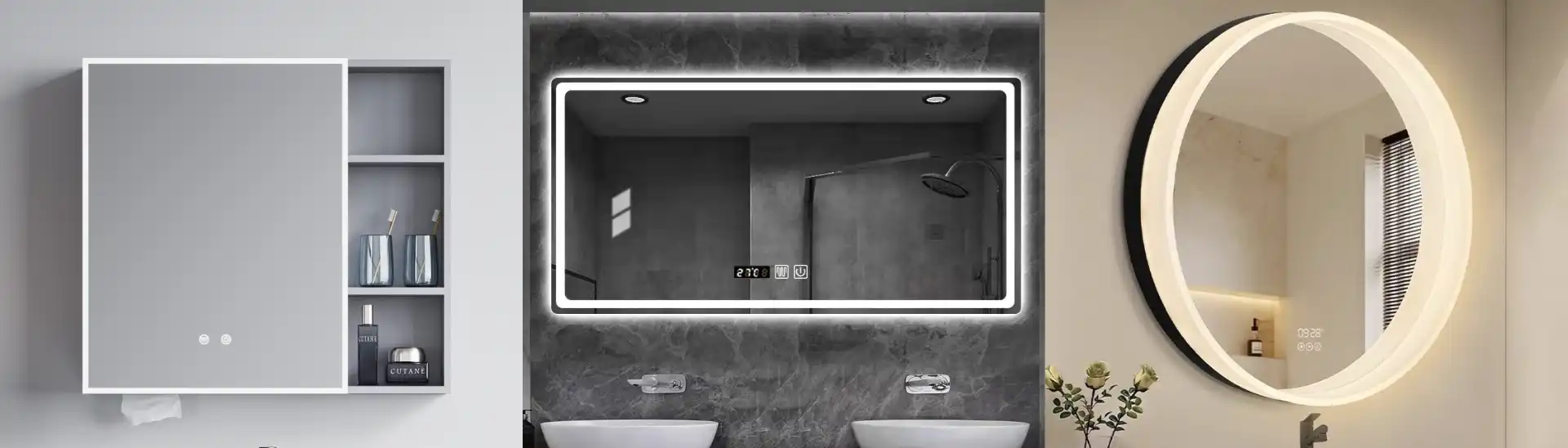
Integrierte Lösungen für Badezimmer-Waschtische und LED-Spiegel minimieren auch die Koordination zwischen mehreren Lieferanten und verbessern die Projekteffizienz.
Schlussfolgerung
Eine LED-Badezimmerspiegel ist ein funktionelles Produkt, dessen Sicherheit und Haltbarkeit von einer korrekten Installation abhängt. Die vom Hersteller empfohlenen Installationsmethoden sind besonders wichtig für kommerzielle und projektbezogene Anwendungen. Für Projekte, die gleichbleibende Qualität, zuverlässige Installation und langfristige Stabilität erfordern, ist die Zusammenarbeit mit einer vom Hersteller unterstützten LED-Badezimmerspiegellösung oft die effizienteste Wahl. Wenn Sie beschaffen LED-Badezimmerspiegel oder integrierte Lösungen für Badezimmer-Waschtische für Ihr Projekt, können Sie sich an Kontaktieren Sie uns. Shouya kann vom Entwurf bis zur Installation Unterstützung auf Herstellerebene bieten.